A Passenger May Have A Claim Against More Than The Person Driving The Boat
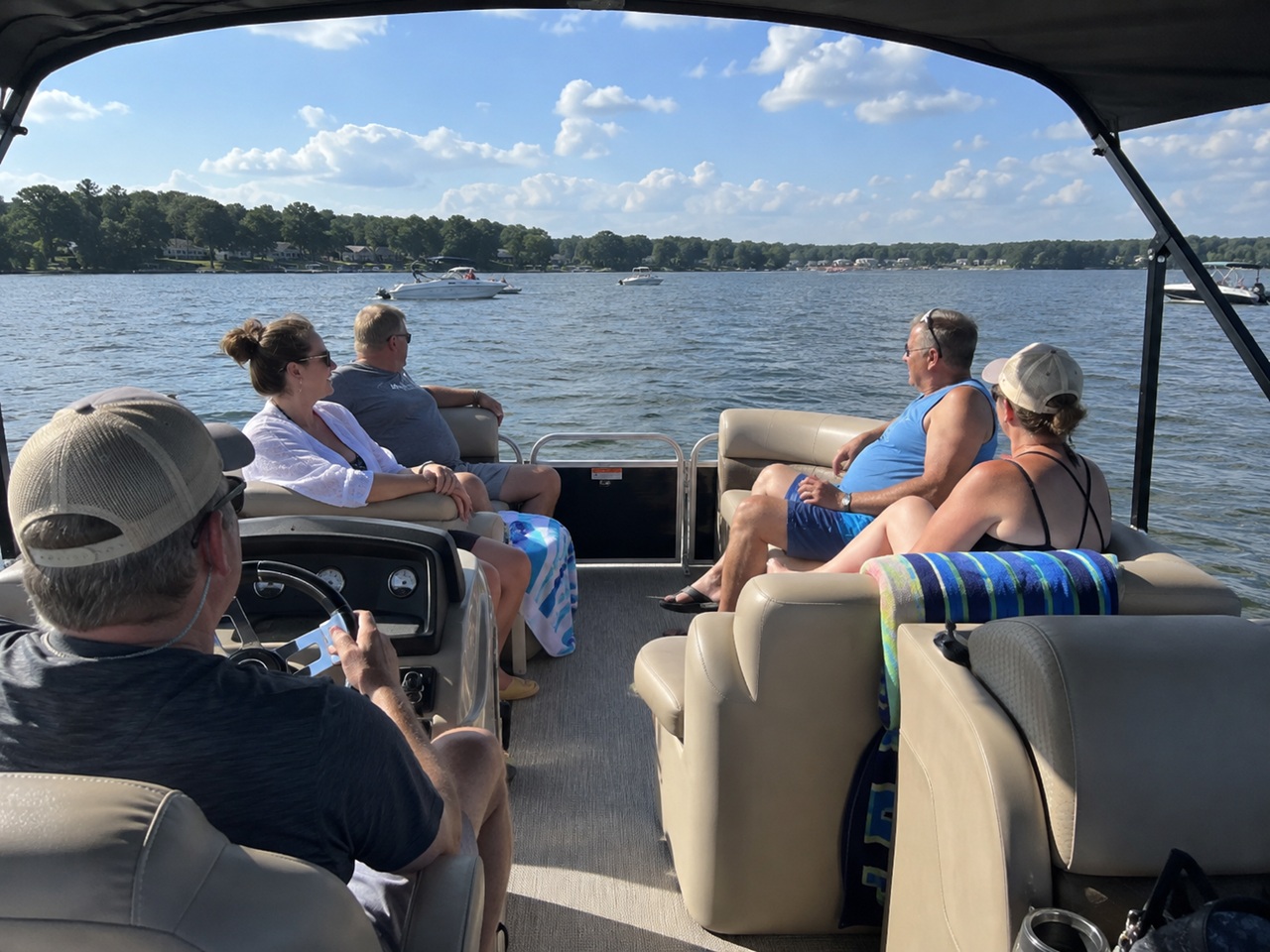
A passenger relaxing on a pontoon boat or riding behind someone on a personal watercraft has little control over how the vessel is operated. When someone else's mistake causes a serious Lake Murray boating accident, the injured passenger may have a claim against the operator, but the investigation shouldn't necessarily stop there.
Boat ownership, permission to use the vessel, rental records, mechanical problems, alcohol use, and the actions of other boaters can all affect who is legally responsible.
These accidents can be devastating. The U.S. Coast Guard recorded 3,887 recreational boating incidents nationwide in 2024, resulting in 2,170 injuries and 556 deaths.
Our Lexington boat accident lawyers at Johnson + Johnson Attorneys at Law know firsthand how serious negligence on the water can be. Determining who should pay an injured passenger often requires looking beyond the person who happened to be holding the wheel at the time of the crash.
The Boat Operator Is Usually The First Person Investigated
South Carolina law prohibits operating a watercraft negligently or recklessly.
Under South Carolina Code § 50-21-110, negligent boating can include failing to keep a proper lookout, traveling too fast for conditions, racing, or operating above idle speed in a no-wake zone.
Separate rules prohibit reckless operation involving a willful or wanton disregard for safety. Examples identified in South Carolina law include weaving through congested boat traffic, jumping another vessel's wake too closely, crossing another vessel's path when visibility is obstructed, and maintaining a collision course before swerving away at close range.
An operator can therefore be responsible for a passenger's injuries when careless conduct such as these contributes to the accident:
- Operating Too Fast For Conditions: Speed that may be safe on open water can become dangerous around docks, coves, swimmers, or heavy boat traffic.
- Failing To Keep A Proper Lookout: Operators need to watch for other vessels, personal watercraft, swimmers, floating debris, and changing conditions.
- Ignoring No-Wake Restrictions: Excessive speed near docks or restricted areas can cause collisions, falls, and dangerous wakes.
- Making Reckless Maneuvers: Sudden turns, wake jumping, racing, and weaving through traffic can throw passengers from their seats or into the water.
- Operating While Impaired: Alcohol or drugs can affect judgment, reaction time, balance, and the ability to navigate safely.
A criminal citation isn't required before an injured passenger can pursue a civil negligence claim. The civil case focuses on whether negligent conduct caused the injury.
The Boat Owner Can Be Liable Even When Someone Else Was Driving
South Carolina has a particularly important rule for vessel owners.
Under S.C. Code § 50-21-120, a vessel owner can be liable for injuries caused by negligent operation when the vessel was being used with the owner's express or implied consent or was in the possession of someone legally responsible for it.
The statute even creates a presumption that the owner knew about and consented to the use when a member of the owner's household was operating the vessel.
Imagine a Lake Murray homeowner lets a friend take the family boat out for the afternoon. The friend operates too fast through crowded water and crashes, seriously injuring a passenger. The fact that the owner wasn't aboard doesn't automatically remove the owner from the liability analysis.
Ownership documents, insurance policies, communications about permission to use the boat, and evidence showing who normally had access to it can all become important.
Rental Boat Liability Works Differently
South Carolina law draws an important distinction between an ordinary vessel owner and a business that rents boats to the public.
A boat livery isn't automatically treated as the liable vessel owner simply because a renter negligently operates one of its boats. Section 50-21-120 specifically says that, for negligent operation of a rented vessel, the renter or operator is treated as the owner for that purpose.
But that doesn't give the rental business immunity for its own negligence.
A boat livery must not send a vessel out unless it is in sound and safe operating condition, properly registered and numbered, and equipped as required by law. If the business fails to meet those requirements and that failure directly causes an injury, the rental company can be liable for its own conduct.
That makes the distinction critical:
| What Caused The Passenger's Injury? | Who May Need To Be Investigated? |
|---|---|
| Renter drives carelessly | The renter or operator may be primarily responsible for negligent operation. |
| Rental boat has unsafe mechanical problem | The rental business, maintenance provider, or another party responsible for the vessel's condition may share liability. |
| Required safety equipment is missing | The rental company's statutory responsibilities may become important. |
Rental records can also identify who rented the vessel, when it left, its identification number, and its expected return time. South Carolina requires boat liveries to retain specified rental information for at least six months.
Another Boater Can Cause Injuries Without Ever Hitting Your Boat
Not every passenger injury involves the vessel carrying the injured person striking something.
Another boat can collide with the passenger's vessel, cut across its path, force an emergency maneuver, or create a dangerous wake that throws someone to the deck or into the water.
South Carolina's boating rules require operators to use reasonable care, and federal navigation rules also apply on state waters. Fault may therefore depend on where each vessel was traveling, who had the right of way, visibility, speed, lookout, and what each operator did immediately before the incident.
The same issues frequently arise in other boating accidents on Lake Murray, where crowded waterways can leave witnesses with very different accounts of how a collision unfolded.
A Defective Boat Or Component Can Shift Liability Away From The Operator
Sometimes the person steering does everything right, and the vessel still fails.
A steering defect, throttle malfunction, engine problem, defective seat, failed railing, or faulty safety equipment can cause or worsen a passenger injury. When that happens, the investigation may extend to the manufacturer, distributor, dealer, repair shop, or another business responsible for the defective component.
A South Carolina product liability claim can involve a defect in the product's design, manufacture, or warnings. Preserving the boat and failed component before repairs are made can be critical to determining what went wrong.
Alcohol Can Strengthen A Claim Against An Impaired Operator
South Carolina makes it unlawful to operate a moving motorized watercraft or sailboat while impaired by alcohol, drugs, or a combination of substances.
When impaired operation causes great bodily injury or death, S.C. Code § 50-21-113 provides for felony criminal charges. A passenger's civil injury claim remains separate from the criminal prosecution.
An injured passenger doesn't necessarily have to wait for a criminal conviction before pursuing compensation. Evidence may include alcohol testing, officer observations, witness accounts, photographs, receipts, and statements from people who were aboard the boat before the crash.
One distinction matters here: simply hosting a gathering where an adult boat operator drinks alcohol doesn't automatically make the host liable under South Carolina law. Different issues can arise when someone knowingly furnishes alcohol to a person under 21, but social-host liability is much narrower than operator liability and depends heavily on the facts.
A Passenger's Own Conduct Can Become Part Of The Case
Being a passenger doesn't automatically mean a person can never share responsibility for an injury.
An insurer might argue that a passenger ignored instructions, sat somewhere obviously unsafe while the vessel was underway, interfered with the operator, or engaged in another activity that contributed to the injury.
South Carolina follows modified comparative negligence. Under the rule adopted by the South Carolina Supreme Court, an injured person can generally recover as long as their negligence isn't greater than the combined negligence of the defendant or defendants. Any award is reduced according to the injured person's share of responsibility.
For example, if a passenger suffered $200,000 in damages but was found 10% responsible for contributing to the injury, the recoverable damages could generally be reduced by 10%.
The important point is that an insurer doesn't get to assign a percentage simply by accusing the passenger of doing something wrong. Fault has to be supported by evidence.
Lake Murray Evidence Can Disappear Quickly
Boat accident evidence presents problems that don't always exist after a highway crash.
Damage may be repaired quickly. Boats can leave the lake. GPS data may be overwritten. People who witnessed the accident from another vessel may be difficult to identify later, and physical evidence can literally disappear into the water.
Useful evidence can include:
- South Carolina Department of Natural Resources accident reports;
- Photos and video from passengers or nearby boaters;
- GPS, chartplotter, and navigation data;
- Rental agreements and livery records;
- Boat ownership and insurance documents;
- Maintenance and repair history;
- Alcohol test results and law enforcement records;
- Marina or dock surveillance footage;
- Cellphone photographs and messages; and
- Witness statements.
South Carolina law allows a person alleged to have been injured in a boating accident, their attorney or personal representative, or an insurer to obtain a copy of the state's accident report.
That report can be valuable, but it shouldn't be treated as the entire investigation. Witness interviews, vessel inspections, photographs, electronic records, and other evidence may reveal facts that aren't captured in an initial report.
A Serious Passenger Injury Can Affect Far More Than The First Hospital Bill
Being thrown against the interior of a boat or into the water can cause broken bones, internal injuries, spinal trauma, severe lacerations, and traumatic brain injuries.
A passenger injury claim may seek compensation for losses such as:
- Emergency care, hospitalization, surgery, and rehabilitation;
- Future medical treatment and long-term care;
- Lost wages;
- Reduced earning capacity;
- Pain and suffering;
- Loss of enjoyment of life; and
- Damaged or lost personal property.
If a passenger dies because of negligence on the water, the family may have rights through a South Carolina wrongful death claim. The civil case is separate from any criminal proceeding involving the boat operator.
Lake Murray Boating Cases Are Personal To Us
These cases aren't just another practice area for our family.
Attorneys Kevin and Steven Johnson lost their sister because of a negligent boat driver on Lake Murray. We understand firsthand that a boating accident can affect an entire family long after everyone else has left the water.
Our case results also include a $100,000 recovery in a boat accident case. Prior results don't guarantee a similar outcome, but our experience on boating cases reflects the seriousness with which we approach injuries on Lake Murray and throughout South Carolina.
Finding The Right Defendant Starts With Finding Out What Actually Happened
An injured passenger may have a straightforward claim against a negligent operator, or the investigation may reveal responsibility on the part of the boat's owner, a rental company, another boater, or defective equipment.
Our Lexington boat accident attorneys can preserve evidence, obtain DNR records, investigate vessel ownership and insurance, review rental and maintenance records, interview witnesses, and identify every person or company whose conduct contributed to the injury.
If you were injured while riding as a passenger on Lake Murray or injured in another type of boating accident, contact us for a free case evaluation. We'll listen to what happened, explain your options, and start determining who should be held responsible while you focus on recovering.
"I had an amazing experience with this company. They answered all of our questions in a timely manner. If you are looking for honest, trustworthy attorneys that will go the extra mile for you, give Johnson + Johnson a call. Will definitely be using them again in the future." - Tami R., ⭐⭐⭐⭐⭐